Introduction to 111.90.150.2044 and Why It Is Widely Searched
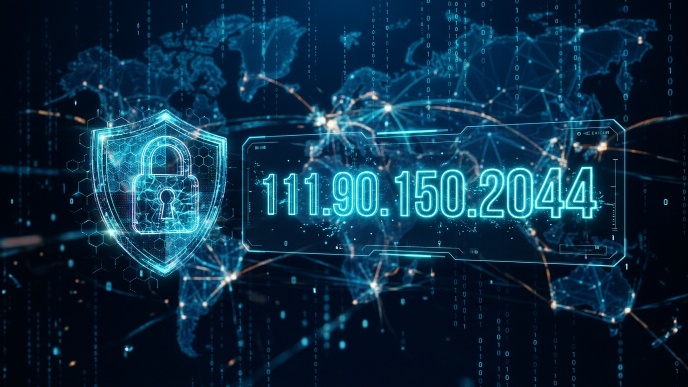
The string 111.90.150.2044 has gained attention online because it appears similar to an IPv4 address but does not fully match the standard structure of internet networking systems. Many users encounter this type of value in logs, technical reports, or copied data and then search for its meaning. At first glance, it looks like a valid IP address, which creates confusion among non-technical users.
In reality, modern internet users are increasingly exposed to technical identifiers such as IP addresses, server logs, and network traces. Because of this exposure, even small irregularities in formatting can raise concerns about whether something is real, broken, or potentially dangerous. The interest in 111.90.150.2044 is part of this broader trend of digital awareness and cybersecurity curiosity.
Understanding this number requires breaking down how IP systems actually work, how invalid formats appear, and why such strings are often misunderstood.

What a Real IPv4 Address Actually Looks Like in Networking
A valid IPv4 address follows a strict structure defined by internet protocols. It consists of four numerical segments separated by dots. Each segment, called an octet, must be between 0 and 255. This ensures that every address is unique, routable, and compatible with global internet systems.
For example, valid IPs like 192.168.1.1 or 8.8.8.8 follow these rules exactly. Each segment is carefully controlled so that routers and servers can interpret the address correctly. Without this structure, data packets cannot be delivered across networks.
These rules are not flexible. Even a small deviation, such as an extra digit or missing segment, causes the address to become invalid and unusable in real networking environments.
Why 111.90.150.2044 Is Not a Valid IP Address
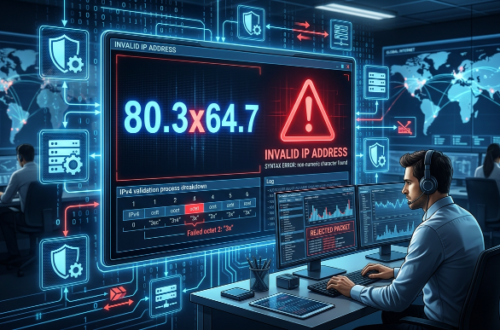
The main issue with 111.90.150.2044 is the last segment, “2044.” In IPv4 standards, no segment can exceed 255. Since 2044 is far beyond this limit, the entire structure becomes invalid.
Research into similar malformed IP formats shows that they are commonly the result of errors or non-functional placeholders. This means the string is not recognized by any real internet routing system and cannot be used to identify a device or server.
Even though the first three segments (111.90.150) are valid numbers, the final segment breaks the structure completely. Because of this, the address cannot function in any networking context.
How Invalid IP-Like Strings Are Generated in Systems
There are several realistic reasons why a string like 111.90.150.2044 might appear in digital environments. One of the most common causes is human error. When entering large datasets, even a single extra digit can transform a valid IP into an invalid one.
Another cause is system logging issues. In complex networks, millions of data points are processed every second. If formatting validation is weak or missing, corrupted values may appear in logs, creating IP-like strings that do not actually exist.
Developers sometimes also use intentionally invalid IP formats in testing environments. These placeholders help simulate errors or prevent accidental use of real network addresses during development.
Breaking Down the Structure of 111.90.150.2044
When analyzing 111.90.150.2044, the first three segments appear normal. The values 111, 90, and 150 all fall within valid IPv4 ranges. This is why the string initially looks like a real IP address.
However, the final segment completely breaks the structure. The number 2044 is not only too large but also structurally incompatible with IPv4 rules. Even one invalid segment is enough to invalidate the entire address.
Technical analysis of similar cases shows that malformed IPs often appear visually correct at first but fail strict validation rules. This is why many users mistakenly assume they are real network identifiers.
Why People Mistake It for a Real IP Address
One major reason 111.90.150.2044 attracts attention is visual similarity. Most users are familiar with dotted-number formats but not with strict validation rules. As a result, they assume anything that looks like an IP address must be one.
Another reason is context. These strings often appear in logs, messages, or technical environments where users expect real IP data. Without understanding the source system, it is easy to misinterpret the value.
Additionally, educational examples and online discussions sometimes include malformed IP addresses for demonstration purposes. When seen outside their original context, they can easily be mistaken for real addresses.
Security Perspective: Is 111.90.150.2044 Dangerous?
From a cybersecurity standpoint, 111.90.150.2044 is not dangerous because it is not a functional IP address. It cannot connect to any system, device, or server on the internet.
However, cybersecurity professionals still pay attention to malformed data. In some cases, irregular patterns in logs can indicate system misconfiguration or data corruption. In rare scenarios, attackers may also use fake formats to confuse monitoring systems.
A published cybersecurity analysis notes that unusual IP-like structures highlight connection quality issues or formatting inconsistencies in data systems. This shows that while the string itself is harmless, it may still reflect underlying system behavior worth reviewing.
How to Identify Valid vs Invalid IP Addresses Easily
Even without technical training, users can identify invalid IP addresses using simple rules. A valid IPv4 address must always have four segments separated by dots.
Each segment must be between 0 and 255. If any segment exceeds this range, the address is invalid. In the case of 111.90.150.2044, the last segment clearly violates this rule.
By applying these simple checks, users can quickly determine whether a number is a real IP address or just a malformed string. This helps prevent confusion when analyzing logs or technical data.
Broader Digital Context and Real-World Examples
Malformed IP-like strings such as 111.90.150.2044 are not rare in digital systems. They often appear in logs, configuration errors, or corrupted datasets. Similar patterns have been observed in various online environments where data integrity is not strictly enforced.
In some cases, even online platforms or videos reference unusual IP formats for demonstration purposes. These examples are often educational rather than functional, which contributes to confusion when users encounter them without context.
This highlights the importance of understanding how digital systems structure and validate data before drawing conclusions.
Conclusion on 111.90.150.2044 and Its Real Meaning
The string 111.90.150.2044 is not a valid IP address and does not represent any real device, server, or network location. Its structure breaks fundamental IPv4 rules due to the invalid final segment value, making it unusable in any real internet communication system.
Most evidence suggests that it is either a formatting error, corrupted data entry, or a placeholder used in technical environments. While it may look realistic, it has no functional role in networking or cybersecurity systems.