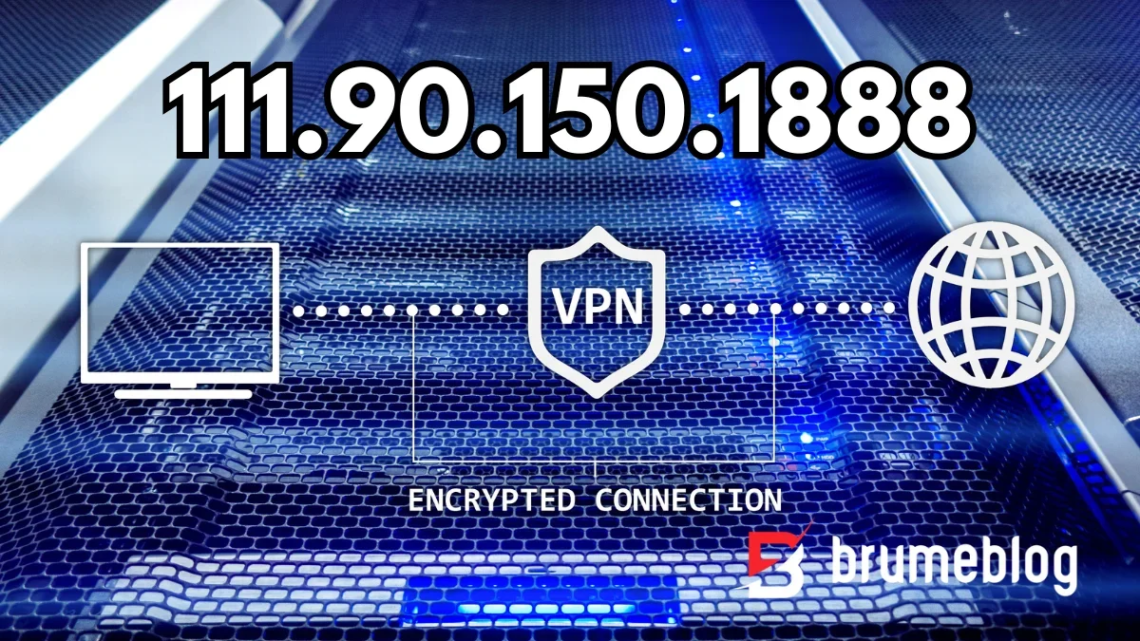
At first glance, 111.90.150.1888 appears to be a typical IP address. It follows a familiar pattern of numbers separated by dots, which is commonly associated with IPv4 addresses used across the internet. Because of this structure, many users assume it is a valid address linked to a server, website, or device.
However, appearances can be misleading. Not every number formatted like an IP address is actually valid. In this case, 111.90.150.1888 includes a segment that breaks standard networking rules. This is why users often search for it, especially after encountering it in logs, messages, or suspicious online activity.

Understanding IPv4 Address Rules and Format
To understand why 111.90.150.1888 is problematic, it is important to know how IPv4 addresses work. An IPv4 address consists of four numerical segments, called octets, separated by periods. Each octet must fall within a strict range from 0 to 255.
This limitation exists because each segment is represented by an 8-bit binary number, which cannot exceed 255. Any number outside this range violates the IPv4 standard and becomes unusable in real network communication. These rules ensure consistency and allow devices worldwide to communicate reliably.
Why 111.90.150.1888 Is Not a Valid IP Address
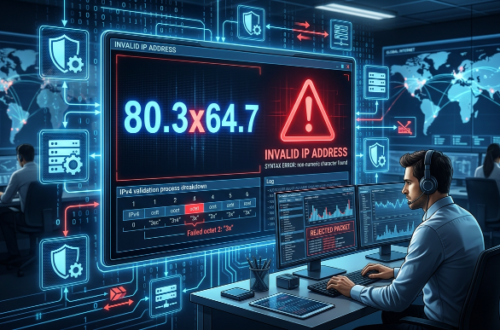
The key issue with 111.90.150.1888 lies in its final segment, which is 1888. This value is far beyond the maximum allowed range of 255, making the entire address invalid.
An invalid IP address cannot be assigned to any device or used for routing internet traffic. Systems that encounter such an address will typically reject it or treat it as an error. This means 111.90.150.1888 cannot function as a real network identifier and is most likely the result of a mistake or intentional manipulation.
Common Reasons You Might Encounter 111.90.150.1888
Despite being invalid, addresses like 111.90.150.1888 can still appear in various contexts. One of the most common reasons is human error. A user may accidentally type an extra digit when entering an IP address, turning a valid address into an invalid one.
Another possibility is software-related issues. Bugs, misconfigured systems, or poorly written scripts can generate malformed IP addresses. In some cases, attackers may also use fake or invalid IP formats to confuse tracking systems or hide their real identity.
Could 111.90.150.1888 Indicate a Security Threat?
On its own, 111.90.150.1888 is not dangerous because it does not represent a real device or server. However, its presence in certain situations may still raise concerns. For example, if it appears repeatedly in server logs, it could indicate automated activity or scanning attempts.
Cybersecurity experts often analyze unusual patterns rather than individual entries. Invalid IP addresses may be used by bots or malicious tools to test vulnerabilities or bypass filters. While not always harmful, they should not be ignored, especially if accompanied by other suspicious behavior.
Difference Between Valid and Invalid IP Addresses
Valid IP addresses follow strict formatting rules and can be used for communication across networks. They allow devices to send and receive data, making them essential for internet functionality. These addresses can also be analyzed to determine approximate location or network ownership.
Invalid IP addresses, like 111.90.150.1888, do not meet these criteria. They cannot be used for communication and often indicate errors or anomalies. Understanding this difference helps users avoid confusion and focus on relevant data when analyzing network activity.
Impact of Invalid IP Addresses on and Analytics
Invalid IP addresses can affect website analytics and performance tracking. When such entries appear in logs, they may distort traffic data, making it difficult to distinguish between real users and automated activity.
For professionals, accurate data is essential for decision-making. Filtering out invalid or suspicious IP entries ensures that analytics reflect genuine user behavior. This helps improve website optimization strategies and maintain reliable performance metrics.
How to Investigate Suspicious or Invalid IP Entries
If you encounter an address like 111.90.150.1888, the first step is to verify its format. Recognizing that it is invalid can save time and prevent unnecessary investigation. Instead of focusing on the address itself, it is more useful to analyze the surrounding context.
Looking at request patterns, timestamps, and user-agent data can provide valuable insights. If the activity appears unusual or repetitive, it may indicate automated processes or potential security issues. Monitoring these patterns helps identify real threats more effectively.
Best Practices for Handling Invalid IP Addresses
Handling invalid IP addresses requires a balanced approach. Immediate blocking is not always necessary, especially if the entry is simply the result of an error. Instead, focus on monitoring and analyzing patterns over time.
Modern security systems are designed to detect malformed data automatically. Ensuring that your software, firewalls, and analytics tools are up to date can help manage such anomalies efficiently. Maintaining proper configurations also reduces the chances of generating invalid data internally.
Final Verdict on 111.90.150.1888 and Online Safety
111.90.150.1888 is not a valid IP address due to its incorrect numerical format. It cannot function within standard networking systems and is most likely the result of a typo, system error, or intentionally generated noise.
While the address itself poses no direct threat, its appearance can provide useful clues about system behavior. By understanding how IP addresses work and applying best practices in monitoring and security, users can confidently handle such anomalies without unnecessary concern.