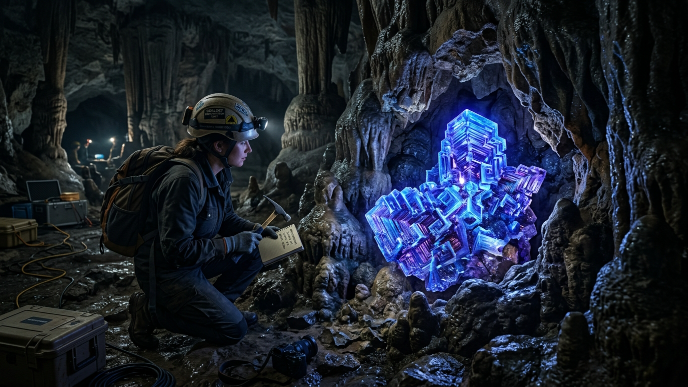
Introduction to Frimiotranit in Modern Digital Information
The term frimiotranit has recently appeared across online platforms, blog articles, and informational websites, attracting attention due to its unusual structure and unclear definition. Many users encounter this word while browsing the internet and search for its meaning, expecting it to be a scientific material, mineral, or technical concept. However, its presence in digital content is often inconsistent and confusing.
In today’s information-driven world, unusual terms like frimiotranit spread quickly through online publishing, sometimes without a verified scientific foundation. This creates curiosity among readers who want to understand whether it is a real substance, a conceptual idea, or simply a constructed digital term. Exploring its available descriptions helps clarify its possible interpretations and why it is widely discussed.
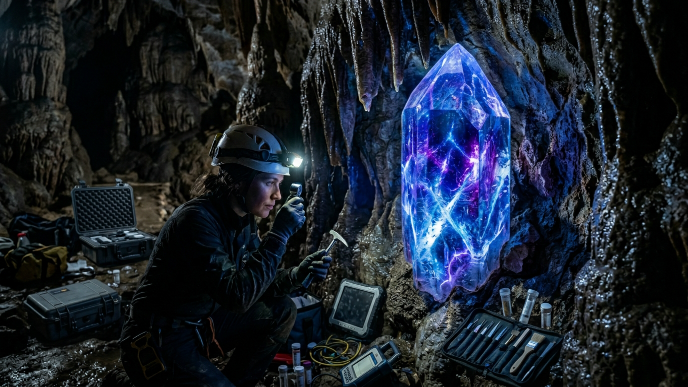
What Frimiotranit Is Described as in Online Sources
Across various online publications, frimiotranit is often described as a geological material associated with igneous rock formations. According to these interpretations, it is believed to form through the cooling and solidification of magma beneath the Earth’s surface, similar to other igneous rocks. It is sometimes said to contain minerals such as quartz, feldspar, and mica, which are common in natural rock formations.
These descriptions also suggest that frimiotranit may exhibit durability and structural strength, making it appear similar to granite-like materials. Some articles present it as a versatile material with potential applications in construction and decorative industries. However, these explanations vary widely depending on the source.
Because of this inconsistency, frimiotranit is not recognized in established geological classifications, which makes its scientific validity uncertain.
The Geological Explanation and Claimed Formation Process
Some online interpretations describe frimiotranit as forming deep within the Earth’s crust during volcanic activity. In this theoretical process, molten magma slowly cools over time, allowing crystals to develop and form a solid rock structure. This process is similar to how igneous rocks such as granite are created.
The material is often said to develop under high pressure and temperature conditions, which contribute to its imagined strength and stability. These descriptions attempt to align frimiotranit with known geological processes, making it appear scientifically plausible.
However, no verified geological research or academic documentation confirms the existence of frimiotranit as a distinct rock type, suggesting that these explanations are speculative rather than factual.
Why Frimiotranit Appears in Online Content and Articles
The growing presence of in digital articles is largely linked to online publishing practices and content experimentation. Many websites use uncommon or invented terms to attract search traffic, especially when testing how users respond to unfamiliar keywords.
In some cases, frimiotranit is included in articles discussing geological concepts or emerging materials, even when no scientific evidence supports its existence. This creates the impression that it may be a legitimate scientific discovery, even though it is not recognized in academic literature.
This pattern is common in digital publishing, where unique or invented terms are used to increase engagement and visibility across search platforms.
Is Frimiotranit a Real Scientific Material?
From a scientific perspective, is not recognized as a valid mineral, rock type, or chemical compound. Established geological databases, research papers, and academic references do not list it as part of Earth’s natural materials.
Instead, it appears to be a conceptual or fictional term used in online content. While it is often described using real geological terminology, these descriptions are not supported by verified scientific research.
This means that frimiotranit should be understood as an unconfirmed or speculative term rather than a scientifically proven material.
Misinterpretations and Common Assumptions About Frimiotranit
Because of its scientific-sounding name, frimiotranit is often misinterpreted as a newly discovered mineral or rare geological substance. Some readers assume it is part of advanced geological research or experimental material science.
In reality, these assumptions are not supported by credible evidence. The lack of official classification or academic recognition indicates that the term does not belong to established scientific frameworks.
Such misunderstandings highlight how easily unfamiliar terminology can be mistaken for real scientific concepts when presented in structured or technical language.
Role of Digital Media in Spreading Frimiotranit
The spread of frimiotranit across online platforms demonstrates how digital media influences information perception. Once a term appears in multiple articles or blog posts, it begins to gain visibility, regardless of whether it has a factual foundation.
Search engines index these repeated mentions, which increases the term’s exposure and encourages further searches. Over time, this creates a cycle where curiosity drives visibility, and visibility reinforces curiosity.
This process explains how frimiotranit has become widely recognized online despite lacking official scientific validation.
Importance of Verifying Scientific Information Online
The case of frimiotranit highlights the importance of verifying scientific claims before accepting them as fact. In the digital age, information spreads quickly, but not all of it is accurate or supported by research.
Reliable scientific knowledge should always be based frimiotranit on verified sources such as academic journals, geological surveys, or recognized research institutions. Without such validation, terms like frimiotranit remain speculative.
Developing critical thinking skills helps users distinguish between factual scientific concepts and digitally created or unverified terms.
Conclusion: Final Understanding of Frimiotranit
In conclusion, frimiotranit is best understood as a digitally circulated and scientifically unverified term that is often described using geological language but lacks official recognition. While it is sometimes presented as a rock formed through volcanic processes, there is no credible evidence supporting its existence in real-world geology.
Its popularity is largely driven by online content creation, curiosity, and the repetition of unusual keywords across digital platforms. This demonstrates how easily unfamiliar terms can gain attention in the modern internet environment.