The IP address 192 l.168.1.1 is one of the most important access points in modern home and office networking. Many users encounter this address when setting up WiFi, changing router passwords, or fixing internet connectivity problems. In simple terms, it is the default gateway used to open your router’s admin panel, where all network settings are controlled. Almost every internet user interacts with it indirectly because it manages how devices connect to the internet.
In today’s connected world, understanding 192.168.1.1 is essential for better internet control, security, and troubleshooting. It is used globally by major router brands and plays a central role in managing WiFi networks, connected devices, and broadband configurations. Learning how it works helps users take full control of their home network instead of depending entirely on internet service providers.
What Is 192.168.1.1 and Why It Matters
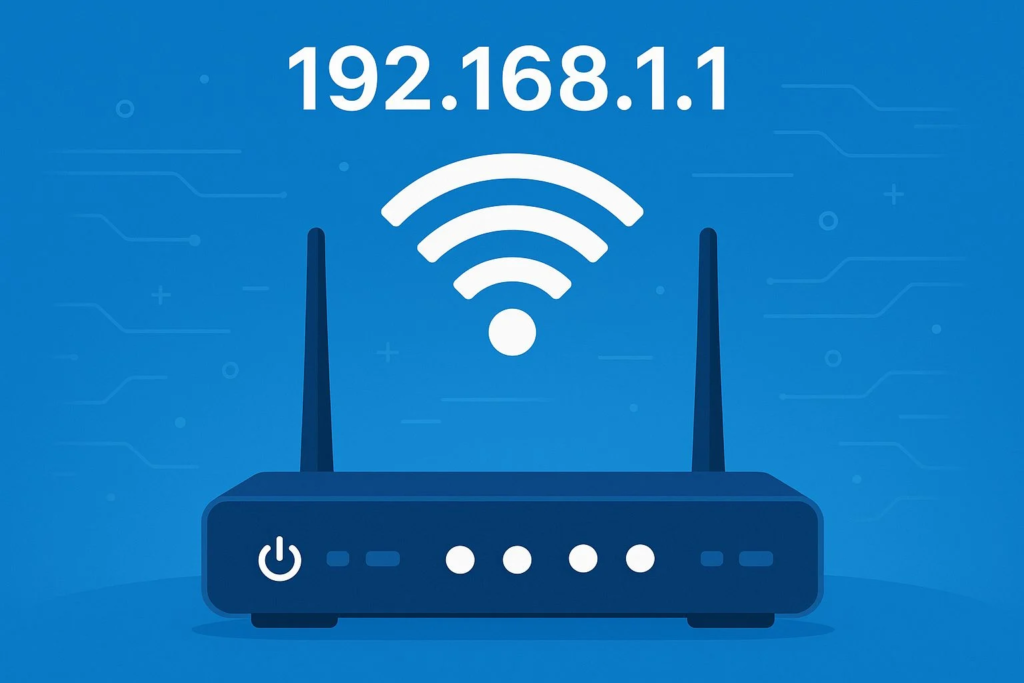
192.168.1.1 is a private IPv4 address used as a router login gateway. It is part of a reserved IP range that cannot be accessed directly from the public internet, making it safe for internal network use only. When you type it into a browser, it opens the router’s configuration interface where network settings are managed.
This address is widely used by popular router brands such as TP-Link, Netgear, ASUS, D-Link, and Linksys. It acts as a control center for your internet connection, allowing you to manage WiFi settings, security options, and connected devices. Because it is the default gateway, every device on your network communicates through it to access the internet.
How 192.168.1.1 Works in a Local Network
Within a local network, 192 l.168.1.1 functions as the bridge between your devices and the internet. Every phone, laptop, smart TV, or IoT device connects to the router, and the router uses this IP address to manage traffic flow. It ensures data is correctly routed between internal devices and external websites.
This IP address is private, meaning millions of routers can use it simultaneously without conflict. Each router operates independently within its own network, so the same IP address can exist in many homes worldwide. This structure is defined under networking standards that reserve private IP ranges for internal communication only.
How to Access the 192.168.1.1 Login Page
To access 192 l.168.1.1 the device must be connected to the router’s WiFi or via Ethernet cable. Once connected, you simply enter the IP address into a web browser’s address bar. This action opens the router login page, not a normal website, but an internal admin interface stored inside the router itself.
Most routers require a username and password to proceed. These credentials are often found on the router label or in the user manual. In many cases, default login details are something like “admin” for both fields, but users are strongly advised to change them after first setup for security reasons.
Router Settings You Can Control Through 192 l.168.1.1
Once logged in, users can control nearly every aspect of their internet network. This includes changing WiFi names, updating passwords, managing security encryption, and viewing connected devices. The router dashboard acts like a control room for your entire internet system.
Advanced settings also allow users to configure bandwidth control, firewall rules, and firmware updates. These features help improve speed, stability, and protection against unauthorized access. Many modern routers also include guest network options and parental controls for safer internet usage.
Common Problems When Accessing 192 l.168.1.1
Many users face issues while trying to open 192.168.1.1. One of the most common problems is entering the wrong IP address or typing it incorrectly in the browser. Even a small mistake can prevent the login page from loading.
Another frequent issue is using a router that does not actually use 192.168.1.1 as its default gateway. Some routers use alternatives like 192.168.0.1 or 10.0.0.1 instead. In such cases, checking the router label or network settings can help identify the correct login address.
Security Importance of 192 l.168.1.1
Security is one of the most important reasons to understand and properly use 192.168.1.1. If router settings are not secured, unauthorized users may access your network, steal bandwidth, or even monitor connected devices. This makes router security a critical part of digital safety.
Users should always change default usernames and passwords immediately after setup. Enabling WPA2 or WPA3 encryption and disabling remote access can significantly improve protection. Regular firmware updates also help fix security vulnerabilities and keep the network safe from cyber threats.
Advanced Router Features Available via 192 l.168.1.1
Modern routers offer advanced features that can be accessed through the admin panel. These include Quality of Service (QoS), which prioritizes internet speed for specific devices or applications like gaming and streaming. This helps improve performance during heavy network usage.
Other features include port forwarding, firewall customization, and device monitoring. Users can see all connected devices in real time and block unauthorized access if needed. These tools give full control over network performance and security.
Troubleshooting 192 l.168.1.1 Login Issues
If the login page does not open, the first step is to check whether the device is properly connected to the router network. Without a valid connection, the IP address will not load. Restarting the router or using a different browser can also solve access issues.
In some cases, security software or browser settings may block the login page. Firewall restrictions or antivirus programs can interfere with router access. Disabling such tools temporarily or trying another device often helps resolve the problem.
Why 192 l.168.1.1 Is Misunderstood
Many users mistakenly believe 192 l.168.1.1 is a normal website or public IP address. In reality, it is a private internal address that only works inside a local network. It does not provide internet access but instead controls router settings.
This misunderstanding often leads users to search for it incorrectly or try to access it without being connected to WiFi. Once users understand that it is a router management tool, it becomes much easier to use effectively.
Conclusion
The IP address 192 l.168.1.1 is a fundamental part of modern networking that allows users to manage their WiFi, security settings, and connected devices. It serves as the gateway to the router’s admin panel, giving full control over internet configuration and performance. From changing passwords to optimizing network speed, it plays a key role in maintaining a stable and secure connection.
Understanding how 192 l.168.1.1 works helps users improve their digital experience and troubleshoot common internet issues more effectively. As home networks become more advanced, knowing how to access and manage router settings will continue to be an essential skill for safe and efficient internet use.