Introduction
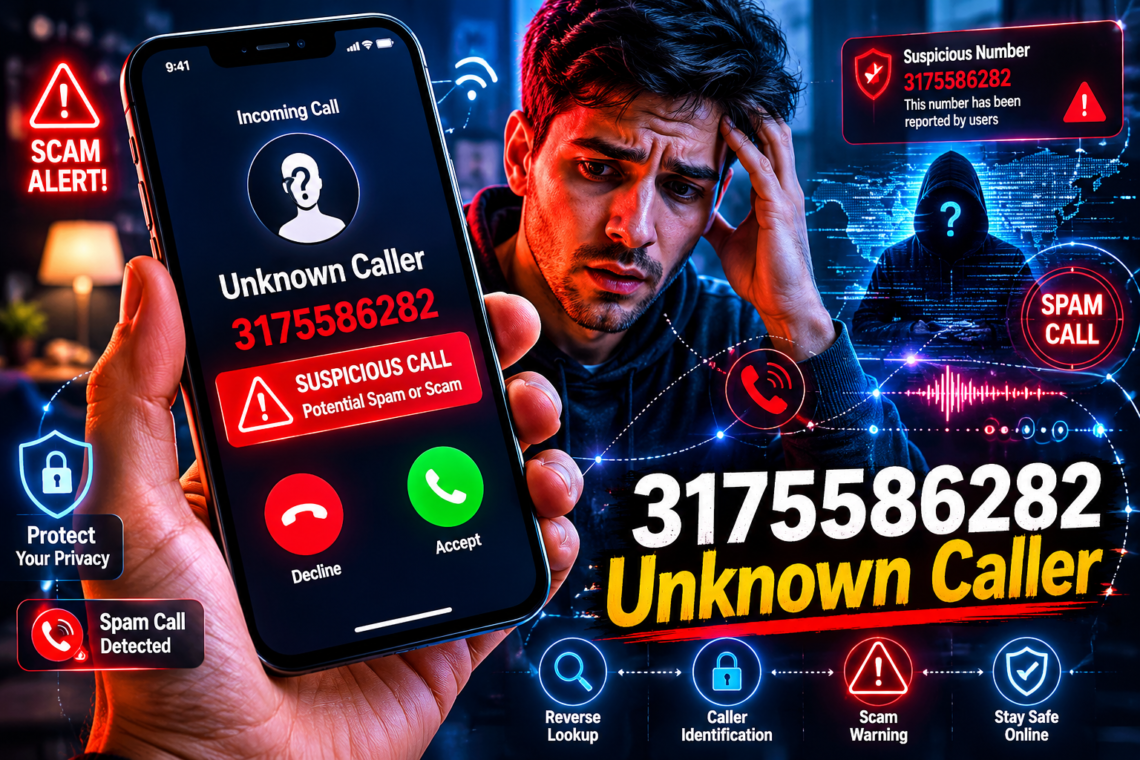
Unknown 3175586282 phone calls have become a common part of modern digital communication. Every day, millions of people receive calls from numbers they do not recognize, leading many to search online for information before answering or returning the call. One number that has generated attention across caller-reporting platforms is 3175586282. Individuals who receive calls from this number often search for details to determine whether the caller is legitimate, a telemarketer, a business representative, or a potentially suspicious source. As online caller identification systems continue growing, numbers like 3175586282 frequently appear in public discussions and reverse phone lookup databases.
The increase in 3175586282 spam calls, robocalls, telemarketing campaigns, and phone-based scams has changed the way people respond to unfamiliar numbers. In the past, most individuals answered incoming calls without much hesitation. Today, many users first check caller information online before deciding whether to engage. This shift reflects growing concerns about privacy, cybersecurity, fraud prevention, and personal data protection.
Phone numbers become searchable when users report experiences through reverse phone lookup websites, spam databases, and community-driven caller identification platforms. These public reports help create searchable records that allow other users to learn about potential risks connected to unknown calls. Understanding how these systems work can help consumers make safer decisions while navigating modern communication networks.
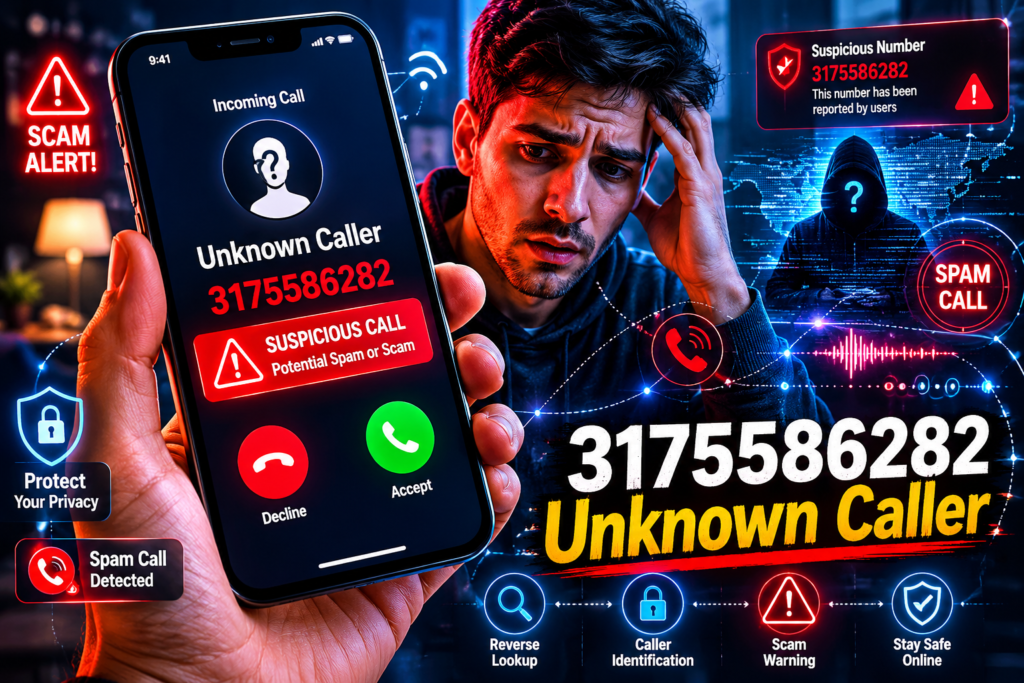
Understanding the Phone Number 3175586282
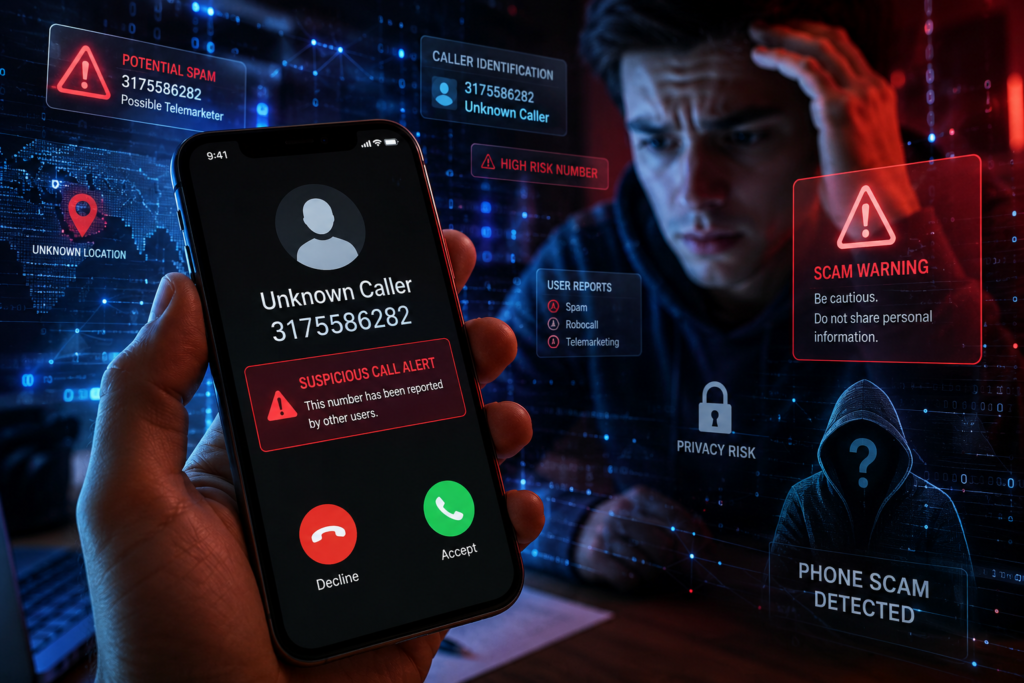
The phone number 3175586282 has appeared on multiple caller-reporting websites where users document experiences related to incoming calls. Public reports indicate that many people searched the number after receiving unexpected calls. Because of repeated search activity and community feedback, the number has gained visibility across reverse phone lookup platforms and caller identification databases.
When a phone number receives multiple reports, search engines often begin displaying related information more prominently. This process increases public awareness and encourages additional users to contribute feedback about their experiences. Over time, community-generated reports create a broader picture of how a number may be used.
Many users search unknown numbers because they want reassurance before answering future calls. In a digital environment where fraudulent communication methods continue evolving, verifying unfamiliar callers has become an important habit for many consumers. Numbers like 3175586282 attract attention because people seek clarity regarding the source and purpose of incoming calls.
How Reverse Phone Lookup Systems Operate
Reverse phone lookup services have become increasingly popular because they allow users to investigate unknown callers quickly. These systems collect information from public directories, user-submitted reports, caller identification databases, and community-driven feedback platforms. The purpose is to help individuals identify unfamiliar numbers before interacting with callers.
Most reverse phone lookup websites depend heavily on crowdsourced information. When users receive suspicious or unwanted calls, they can submit reports describing their experiences. These reports often include information about call frequency, caller behavior, call content, and overall trustworthiness. Over time, patterns emerge that help other users recognize recurring phone activity.
The effectiveness of reverse lookup databases depends on community participation. Larger reporting networks generally provide more detailed information because they contain higher volumes of user feedback. While these reports can be valuable, they should be interpreted carefully because they represent individual experiences rather than official investigations.
Why Unknown Calls Have Become More Common
The growing number of unknown calls is connected to major changes in communication technology. Businesses, customer support departments, appointment reminder systems, delivery services, political organizations, charities, marketing agencies, and automated call centers all use telephone communication regularly. As a result, consumers receive more calls from unfamiliar numbers than ever before.
Automated dialing technology has also increased call volume significantly. Modern systems can place thousands of calls within short periods, making large-scale outreach campaigns more efficient. While some calls serve legitimate purposes, others are associated with aggressive marketing tactics or unwanted solicitation efforts.
Caller ID spoofing has further complicated the situation. This technology allows callers to display misleading phone numbers that appear local or trustworthy. Spoofing makes it more difficult for consumers to distinguish legitimate callers from potentially deceptive ones, increasing reliance on reverse phone lookup services and caller identification tools.
Public Reports and User Experiences Related to 3175586282
Public caller-reporting platforms contain various user-submitted reports connected to 3175586282. Some reports suggest that recipients viewed the calls as unwanted, while others expressed concerns regarding the purpose of the communication. Community ratings on certain databases have contributed to the number’s reputation as a frequently searched caller.
Online reporting systems allow users to describe interactions in detail. Individuals often share information about whether callers left voicemail messages, requested personal information, promoted services, or repeatedly attempted contact. These details help other users evaluate potential risks before responding to future calls.
Although public reports can provide useful insights, they do not necessarily confirm fraudulent activity. Community-generated information reflects personal experiences and perceptions. Nevertheless, repeated reports associated with a single number often encourage consumers to remain cautious and verify information independently before engaging with callers.
The Expansion of Spam Calls and Robocall Activity
Spam calls have become one of the most widespread communication problems affecting consumers worldwide. Automated calling systems allow organizations to contact large numbers of people quickly and efficiently. While some campaigns involve legitimate marketing efforts, others are associated with misleading promotions, deceptive practices, or fraudulent schemes.
Robocalls use prerecorded messages or automated systems to communicate with recipients. These calls may promote products, advertise services, request donations, or attempt to gather personal information. Because robocalls can be generated in enormous quantities, they remain one of the most common forms of unwanted phone communication.
The rapid growth of robocall activity has led many individuals to ignore unfamiliar numbers entirely. This behavior reflects increasing frustration with spam calls and growing concerns about phone-based scams. As a result, caller identification tools and spam-blocking technologies have become essential features for many smartphone users.
Phone Scams and Social Engineering Techniques
Phone scams continue evolving as fraudsters develop increasingly sophisticated methods to manipulate victims. Modern scam operations often rely on social engineering, a strategy that involves influencing people psychologically rather than exploiting technical vulnerabilities. Callers attempt to create urgency, fear, trust, or confusion to encourage quick decisions.
Many scam callers impersonate trusted institutions such as banks, government agencies, healthcare providers, utility companies, or technology support services. By presenting themselves as legitimate representatives, they attempt to persuade individuals to disclose confidential information or authorize financial transactions.
Some scam operations focus on emotional manipulation. Callers may claim that accounts have been compromised, payments are overdue, or urgent action is required. These tactics are designed to reduce critical thinking and increase compliance. Understanding these methods helps consumers recognize warning signs and respond more carefully to unexpected calls.
Caller Identification Technology and Digital Protection
Advancements in caller identification technology have improved the ability of consumers to evaluate incoming calls. Many smartphones now include built-in spam detection systems that analyze incoming numbers using large-scale databases and community-generated reports. These features often display warnings when numbers are associated with suspicious activity.
Third-party caller identification applications expand these capabilities by maintaining extensive databases of reported numbers. When a call arrives, the application compares the number against known records and may provide information about previous reports, caller reputation, and community feedback.
While caller identification technology provides valuable assistance, it is not perfect. Newly created scam numbers may not yet appear in databases, and legitimate businesses can occasionally be flagged incorrectly. Combining technology with personal judgment remains the most effective approach when evaluating unknown calls.
Protecting Personal Information During Phone Calls
Protecting personal information has become increasingly important in a world where phone-based scams continue growing. Security experts generally recommend avoiding the disclosure of sensitive information during unexpected calls, especially when callers request financial details, passwords, identification numbers, or account credentials.
Verification is one of the most effective forms of protection. If a caller claims to represent a company or institution, consumers should independently locate official contact information and communicate directly with the organization through verified channels. This process reduces the risk of interacting with fraudulent callers.
Awareness also plays a critical role in digital security. Individuals who understand common scam techniques are better equipped to recognize suspicious behavior and avoid becoming victims. Education remains one of the strongest defenses against phone-based fraud and deceptive communication practices.
Community Reporting and Shared Consumer Awareness
Community-driven reporting systems have become valuable tools for identifying suspicious phone activity. Caller-reporting websites allow users to share experiences, discuss unknown numbers, and warn others about potentially problematic calls. These platforms create collaborative databases that improve transparency and public awareness.
Shared consumer experiences often reveal patterns that would otherwise remain difficult to detect. When multiple individuals report similar interactions with a phone number, the collective information helps establish a clearer understanding of caller behavior. This collaborative approach strengthens consumer protection efforts.
Online discussions also contribute to public education regarding new scam techniques and communication trends. As fraudsters develop new strategies, community reporting platforms help spread awareness quickly. This ongoing exchange of information supports safer communication practices across digital networks.
The Future of Caller Verification and Phone Security
The future of phone security will likely involve increasingly advanced verification systems. Artificial intelligence, machine learning, and behavioral analysis technologies are already being integrated into caller identification platforms to improve detection accuracy and reduce false warnings.
Telecommunications providers continue developing systems designed to reduce spoofing and improve caller authentication. These efforts aim to make it more difficult for fraudulent callers to disguise their identities while improving trust in telephone communication networks.
Consumer awareness will remain a critical factor regardless of technological progress. Even as security tools become more sophisticated, individuals must continue exercising caution when responding to unfamiliar calls. Responsible communication habits combined with modern verification technologies offer the strongest protection against phone-related risks.
Conclusion
The phone number 3175586282 has attracted public interest because numerous users have searched for information and shared experiences through caller-reporting platforms. While community-generated reports suggest that many recipients viewed the calls as unwanted or suspicious, such information should always be evaluated carefully and independently.
More broadly, numbers like 3175586282 highlight the growing challenges associated with modern phone communication. Spam calls, robocalls, caller ID spoofing, and phone scams have transformed how people respond to unfamiliar numbers. As digital communication continues evolving, consumers increasingly depend on caller identification technology, reverse phone lookup services, and community reporting systems to make informed decisions.
Understanding how these systems operate helps individuals protect personal information, reduce exposure to scams, and navigate unknown calls more confidently. By remaining informed, verifying callers independently, and using available security tools, consumers can strengthen their defenses against unwanted communication while maintaining safer digital communication habits.