Introduction
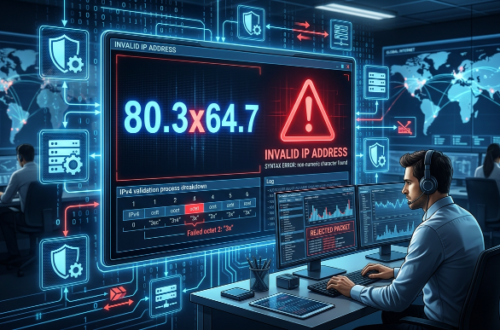
The string 111.90.150.2p looks like an IP address at first glance, but it is actually an invalid or modified network format that does not follow standard internet rules. In real networking systems, IP addresses are strictly numerical and do not contain letters. This makes “2p” an unusual addition that changes the meaning completely.
In digital systems, even a small formatting change can turn a 111.90.150.2p valid network identifier into something meaningless or system-generated. That is why understanding this kind of structure is important for cybersecurity awareness, troubleshooting logs, and interpreting technical data correctly. Many users encounter similar strings in system logs, firewall reports, or analytics dashboards and become confused about whether they represent real internet activity or errors.
This article explains in detail what 111.90.150.2p could mean, how real IP systems work, why such formats appear, and what cybersecurity experts say about similar network anomalies.

What Is an IP Address and Why Format Matters
An IP address is a unique identifier assigned to every device connected to the internet. It allows communication between computers, servers, and websites by directing data packets to the correct destination. The most common format is IPv4, which consists of four numeric sections separated by dots.
Each section of an IPv4 address ranges from 0 to 255. A valid example would be something like 111.90.150.2. This structure ensures that billions of devices can be uniquely identified and connected across global networks.
According to networking standards, any addition of letters or symbols such as “p” makes the format invalid. Systems designed for routing internet traffic will reject such inputs because they do not match the required structure. This is why 111.90.150.2p cannot function as a real IP address in standard networking environments.
Why 111.90.150.2p Is Not a Valid Network Address
The presence of the letter “p” makes this string non-compliant with IPv4 rules. In real internet systems, IP addresses must contain only numeric values. There is no official protocol that allows letters in IPv4 notation.
Research in networking documentation shows that valid IP formats are strictly defined to prevent errors in routing and data communication. Even a single incorrect character can break system interpretation and cause data parsing failures. This is why networking systems immediately flag such formats as invalid.
In some cases, developers or systems may accidentally append extra characters due to coding errors, logging bugs, or incorrect data formatting. These mistakes often appear in monitoring tools or exported logs, but they do not represent real active IP addresses.
How Real IP Addresses Like 111.90.150.2 Actually Work
A valid IP address like 111.90.150.2p belongs to a structured network block assigned to internet service providers. These blocks are managed by global internet authorities that distribute address ranges to ISPs, hosting companies, and organizations.
For example, the broader range 111.90.150.0/24 represents a block of 256 possible IP addresses controlled under one network allocation. These ranges are used for routing traffic efficiently across the internet.
Each IP within this range can be assigned to different users or servers depending on ISP configuration. This means a single IP block may serve thousands of users over time through dynamic allocation systems.
Why Invalid IP Formats Appear in Logs
Even though 111.90.150.2p is not a real IP, it can still appear in digital environments due to system behavior or errors. One common reason is logging corruption, where data is incorrectly recorded or exported.
Another reason is software formatting issues. Some monitoring systems may attach extra labels to IP addresses for internal tracking, such as status markers or port indicators. When this data is viewed outside its original system, it can appear as an invalid IP.
Human error is also a major cause. When copying or editing logs manually, extra characters may accidentally be added, creating misleading entries that look technical but are not functional.
IP Address Ranges and Their Real-World Ownership
Real IP addresses are not random; they belong to specific organizations. For instance, many IPs in the 111.90.150.x range are associated with hosting providers and ISP infrastructure in Asia-Pacific regions.
Public records show that this range is part of a larger allocation managed by hosting companies and network service providers.
These organizations manage large pools of IP addresses used for websites, cloud systems, and internet routing. That is why a single IP range can appear in multiple locations and logs globally.
Cybersecurity Perspective on Invalid IP Strings
From a cybersecurity standpoint, 111.90.150.2p is not considered a threat because it is not a valid operational IP address. Security tools typically ignore or flag such entries as malformed data.
However, cybersecurity analysts still pay attention to these anomalies because they may indicate deeper issues such as:
Software misconfiguration
Corrupted log files
Data injection errors
Improper parsing of network data
Modern security systems are designed to validate IP formats strictly to avoid misinterpretation of network traffic.
Geolocation and Why Invalid IPs Cannot Be Traced
IP geolocation works by mapping valid IP addresses to registered ISP data and regional network information. This allows approximate identification of where an IP belongs geographically.
However, invalid formats like 111.90.150.2p cannot be traced because they do not exist in any official registry or routing system. Only properly formatted IPs can be analyzed using geolocation databases.
This highlights an important rule in cybersecurity: only valid IP addresses carry meaningful location or identity information.
Importance of IP Validation in Modern Networks
IP validation is a critical part of internet infrastructure. Systems must ensure that all incoming data follows correct formatting rules before processing it. This prevents errors, improves security, and ensures smooth communication between servers.
If invalid formats like 111.90.150.2p were accepted, they could cause system crashes, misrouting of data, or security vulnerabilities in network applications. That is why modern firewalls, APIs, and servers enforce strict validation rules.
This process is part of a broader cybersecurity strategy that protects digital systems from malformed or malicious input.
Conclusion
The string 111.90.150.2p is not a valid IP address but rather a malformed or modified version of a real network format. In standard internet systems, IP addresses must contain only numeric values, and any addition of letters makes the format invalid.
While it may appear in logs or system outputs, it usually results from errors, misconfigurations, or formatting issues rather than actual network activity. Real IP addresses like 111.90.150.2 belong to structured ISP-managed networks and follow strict global standards.