Introduction
The men’s figure skating competition at the 2026 Winter Olympics (Olimpiade Musim Dingin 2026) is one of the most exciting events in the world of winter sports. Held in Milan, Italy, this discipline brings together the best male skaters who combine strength, technique, and artistic performance on ice. Unlike many sports, figure skating is not only about speed or power, but also about precision, rhythm, and emotional expression.
At the 2026 Games, the competition reached an extremely high level. olimpiade musim dingin 2026 – seluncur indah putra Skaters from Japan, Kazakhstan, the United States, France, and other countries delivered performances that pushed the limits of technical difficulty, especially with quadruple jumps and complex combinations. The event became one of the most watched winter sports categories globally due to its dramatic scoring battles and artistic performances.
The Olympic Stage and Event Setting
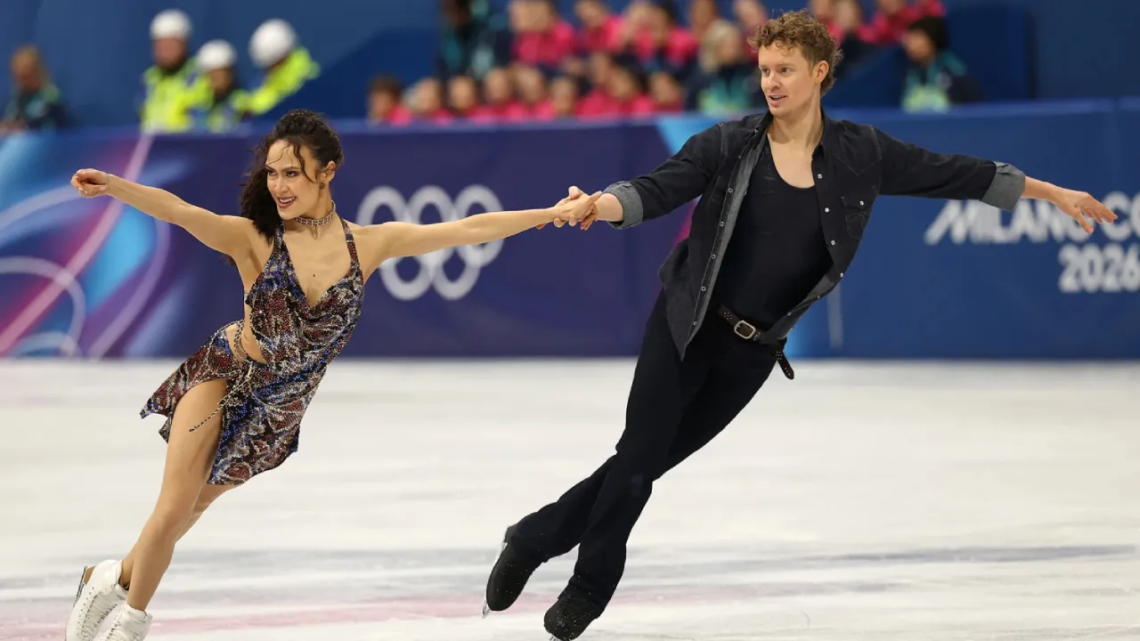
The men’s figure skating event was held at the olimpiade musim dingin 2026 – seluncur indah putra Milano Ice Skating Arena in Italy, part of the Milan–Cortina Winter Olympics. The arena was specially designed to meet international skating standards, ensuring perfect ice quality, lighting balance, and audience visibility for fair judging and performance accuracy.
The competition took place over multiple days, beginning with the short program and concluding with the free skate. Only the top-ranked athletes after the short program advanced to the final stage, making every performance crucial. According to official Olympic structure, consistency across both segments was just as important as individual brilliance in a single routine.
The setting itself played a major role in performance quality. Many athletes mentioned how ice conditions and arena atmosphere influenced their timing and jumps, especially in high-pressure Olympic environments.
The Format of Men’s Figure Skating
Men’s figure skating at theolimpiade musim dingin 2026 – seluncur indah putra is divided into two main segments: the short program and the free skate. Each segment has different requirements and scoring expectations set by the International Skating Union (ISU), which governs all competitive figure skating worldwide.
The short program is more technical and strict. Skaters must perform required elements such as specific jumps, spins, and step sequences within a limited time. Mistakes here can immediately reduce ranking chances.
The free skate, on the other hand, is longer and allows more creative freedom. Athletes attempt multiple quadruple jumps, difficult combinations, and artistic choreography. This segment often decides medal winners because it carries the highest scoring potential.
Rising Pressure and Top Competitors
The 2026 men’s event featured some of the strongest competitors in recent Olympic history. One of the most dominant names was Mikhail Shaidorov from Kazakhstan, who delivered a powerful performance across both segments. His consistency and technical execution helped him secure the gold medal position in the final standings.
Close behind him was Japan’s Yuma Kagiyama, who delivered one of the most balanced performances of the competition, earning him the silver medal. His skating was praised for combining clean jumps with strong artistic control, a rare combination at the Olympic level.
The bronze medal went to another Japanese skater, Shun Sato, who also delivered a strong performance under pressure. His routines included multiple quadruple jumps and high-scoring technical elements, showing how competitive the field had become.
Short Program Highlights and Turning Points
The short program olimpiade musim dingin 2026 – seluncur indah putra set the tone for the entire competition. Skaters who performed well in this segment gained a psychological and scoring advantage going into the free skate.
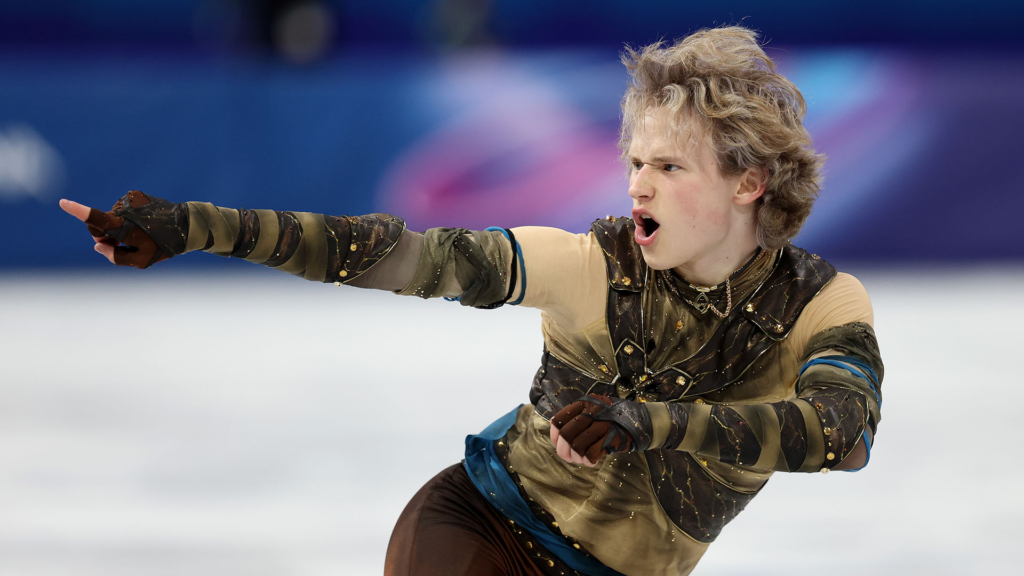
One of the most notable aspects of the short program was the tight competition between top athletes. Yuma Kagiyama delivered a near-perfect performance with high technical scores, briefly taking the lead and putting pressure on other competitors. Ilia Malinin from the United States also delivered a strong routine but remained slightly behind in rankings after this segment.
The short program emphasized precision more than risk. Even a small landing error or slight imbalance in spins could significantly affect rankings, making this segment one of the most stressful parts of the event.
Free Skate and Final Medal Decisions
The free skate became the defining moment of the competition. This is where skaters attempt their most difficult combinations, including multiple quadruple jumps and long choreographed sequences that require endurance and mental strength.
Mikhail Shaidorov delivered a highly controlled performance in this segment, maintaining consistency across all major elements and securing enough technical and artistic points to win gold overall.
Yuma Kagiyama also performed strongly in the free skate but had minor errors that slightly affected his final score, placing him second overall. Shun Sato maintained solid execution and secured bronze with a well-balanced routine.
This final stage highlighted how small mistakes can shift Olympic medal positions, even among elite-level athletes.
Technical Evolution in Modern Figure Skating
Men’s figure skating has evolved dramatically over the past decade. One of the biggest changes is the normalization of quadruple jumps, which are now essential at Olympic-level competition. Athletes regularly perform quad toe loops, quad salchows, and even more advanced jump variations.
This evolution has made the sport more physically demanding than ever before. Skaters must train like high-performance athletes while also maintaining artistic expression and musical interpretation.
At the 2026 olimpiade musim dingin 2026 – seluncur indah putra this evolution was clearly visible. Almost every top competitor included multiple quadruple elements in their routines, showing how technical difficulty has become the new standard in men’s skating.
Artistic Performance and Judging System
While technical skill is extremely important, olimpiade musim dingin 2026 – seluncur indah putra figure skating is still judged as an artistic sport. Judges evaluate not only jumps and spins but also choreography, musical interpretation, and overall presentation.
The scoring system used by ISU separates points into Technical Element Score (TES) and Program Component Score (PCS). TES focuses on difficulty and execution, while PCS evaluates artistry and flow.
This balance ensures that skaters are not only athletes but also performers. A technically perfect routine without artistic quality may still lose to a slightly less difficult but more expressive performance.
Global Attention and Impact of the Event
The men’s figure skating event at the olimpiade musim dingin 2026 – seluncur indah putra attracted massive global attention. Fans from around the world followed the competition closely, especially due to the high level of technical difficulty and close scoring battles.
Social media also played a major role in increasing visibility. Clips of quad jumps, dramatic falls, and emotional reactions from skaters quickly went viral, helping bring new audiences into the sport.
The event also highlighted how figure skating continues to grow beyond traditional winter sports regions, becoming a truly global spectacle with fans from Asia, Europe, and North America.
Conclusion
The olimpiade musim dingin 2026 – seluncur indah putra was one of the most competitive and technically advanced figure skating events in Olympic history. It showcased not only athletic excellence but also artistic beauty and emotional storytelling on ice.
From Mikhail Shaidorov’s gold-winning performance to the strong showings by Kagiyama and Sato, the competition demonstrated how closely matched the world’s best skaters have become. Every routine carried pressure, precision, and passion.
As figure skating continues to evolve, theolimpiade musim dingin 2026 – seluncur indah putra will be remembered as a milestone where technical difficulty and artistic performance reached new heights, setting the stage for future generations of athletes to push the sport even further.

