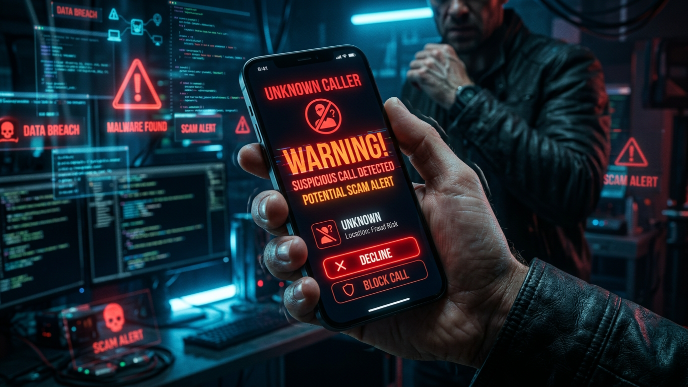
Unknown phone numbers like 18668425178 are increasingly being searched by users who receive unexpected calls and want to verify whether the number is safe, spam, telemarketing, or part of a scam attempt. In today’s digital environment, phone-based fraud has become one of the most common threats, with scammers using automated systems, spoofed caller IDs, and psychological manipulation techniques to target users globally. Because of this, even a single missed call from an unknown number can lead to concern and online searches for verification.
Modern reverse phone lookup behavior is now a normal safety habit. People no longer trust unfamiliar calls blindly, especially when the caller does not leave a voicemail or repeatedly calls without explanation. Numbers like 18668425178 often fall into the “unverified caller” category, meaning there is no confirmed public ownership or reliable identity linked to the number. In many cases, such numbers are associated with telemarketing systems, VoIP services, or automated dialing platforms used for mass outreach campaigns.
Although not every unknown number is harmful, the increasing sophistication of scam networks makes caution essential. Cybercriminals frequently impersonate trusted institutions such as banks, delivery companies, government departments, or technical support services. Their goal is to create urgency and pressure victims into revealing personal or financial data. Understanding how these systems operate is the first step toward protecting yourself from fraud and identity theft.
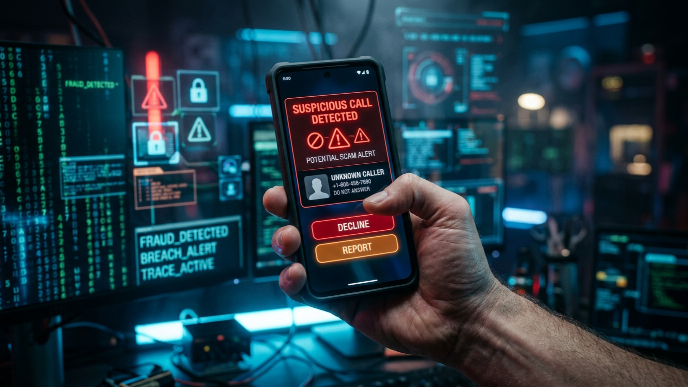
Why Users Search 18668425178 After Receiving Calls
Most users search numbers like 18668425178 after receiving missed calls, repeated ringing, or silent calls. These behaviors are commonly associated with automated dialing systems that contact large numbers of users without human interaction. In some cases, the call disconnects immediately after being answered, which increases suspicion and encourages users to look the number up online.
Another major reason for searching is uncertainty. Users often worry that the call could be from a bank, courier service, or important service provider. Because scammers sometimes mimic legitimate organizations, people prefer to verify first before calling back. This habit reflects growing awareness of phone-based fraud and the importance of digital safety practices.
Community reporting platforms and reverse lookup tools also contribute to the search behavior. Many users rely on shared experiences to determine whether a number is safe or suspicious. When multiple users report similar issues with a number, it increases the likelihood that the call is unwanted or potentially fraudulent.
Understanding How Suspicious Phone Calls Work
Suspicious phone calls linked to numbers like 18668425178 often rely on automated systems designed for mass communication. These systems, known as robocallers, can dial thousands of numbers in a short period and play prerecorded messages. The messages may claim urgent problems such as unpaid bills, account breaches, or legal issues requiring immediate attention.
Scammers also use social engineering techniques to manipulate emotions. They may try to create fear by warning of account suspension or legal action, or they may create curiosity by offering rewards or refunds. In both cases, the goal is to make the victim react quickly without verifying the claim independently.
Some calls are silent or very brief. This is often a testing method used by automated systems to confirm active phone numbers. Once a number is confirmed as active, it may be added to larger spam databases used for future scam campaigns or marketing outreach.
Caller ID Spoofing and Why Numbers Cannot Be Trusted
One of the biggest challenges in identifying numbers like 18668425178 is caller ID spoofing. Spoofing allows scammers to hide their real number and display a completely different one on the recipient’s phone. This makes it appear as though the call is coming from a local or trusted source, even when it is not.
Spoofed calls are commonly used in fraud operations because they increase the chance of the call being answered. People are more likely to pick up calls that appear familiar or geographically relevant. This technique is widely used in phishing and impersonation scams across different countries.
Because of spoofing, the number shown on your screen does not always represent the actual source of the call. This means that even if a number appears repeatedly, it may not belong to a single caller. This makes verification through behavior and context more important than relying on the number alone.
Common Scam Patterns Associated With Unknown Numbers
Calls from unverified numbers like 18668425178 may follow several recognizable patterns. One common method is impersonation, where the caller pretends to represent a trusted organization. They may claim to be from a bank, telecom provider, or government office and request sensitive information.
Another frequent pattern is urgency-based manipulation. Scammers often pressure victims by claiming immediate action is required. This might involve threats such as account suspension, unpaid taxes, or blocked services. The urgency is designed to prevent logical thinking and encourage quick responses.
Some scam calls are designed to collect information indirectly. Instead of asking directly for sensitive data, scammers may ask simple questions that help them build a profile of the victim. This information can later be used for identity theft or targeted fraud attempts.
Warning Signs That a Call May Be Unsafe
There are several behavioral indicators that a call from 18668425178 or any unknown number may be unsafe. One of the strongest warning signs is pressure to act immediately. Legitimate organizations rarely demand instant decisions over unsolicited phone calls.
Another warning sign is requests for private information. Any caller asking for passwords, banking credentials, one-time codes, or identity numbers should be treated with extreme caution. Trusted companies typically avoid collecting sensitive data through unexpected calls.
Unusual communication patterns also indicate risk. These include robotic voices, unclear explanations, refusal to answer questions, or aggressive behavior when challenged. If the caller avoids verification or becomes hostile, it is safer to end the call immediately.
Reverse Phone Lookup Tools and Their Role in Safety
Reverse phone lookup tools are widely used to investigate numbers like 18668425178. These platforms collect user reports, analyze calling patterns, and provide possible information about unknown numbers. When multiple users report a number as spam or suspicious, it may be flagged in public databases.
Community-based reporting systems play an important role in identifying scam trends. Users share experiences such as silent calls, repeated dialing, or fraudulent scripts. This collective data helps build awareness and protect others from similar experiences.
However, these systems are not perfect. Some legitimate numbers may be incorrectly flagged, while new scam numbers may not yet appear in databases. Because of this, experts recommend using lookup tools as a guide rather than a final judgment.
The Global Rise of Phone Scams and Fraud Networks
Phone scams are part of a larger global cybercrime ecosystem. Criminal networks use advanced communication tools, automated dialing systems, and spoofed numbers to reach millions of users worldwide. These scams are often linked with SMS phishing and online fraud campaigns.
Research on scam behavior shows that attackers frequently combine emotional manipulation with technological deception. They may use fear, urgency, trust, or curiosity to influence victims. This makes phone scams particularly effective compared to other forms of digital fraud.
As mobile phone usage continues to increase globally, scam operations have also expanded. Many countries report rising cases of fraud-related calls and messages, making awareness and education critical components of digital security.
How to Stay Safe From Calls Like 18668425178
The safest approach when receiving calls from unknown numbers like 18668425178 is caution and verification. Users should avoid sharing any personal or financial information unless they have independently confirmed the caller’s identity through official channels.
Blocking and reporting suspicious numbers is also an effective safety measure. Most smartphones include built-in spam detection features that can automatically filter or warn users about potential scam calls. These tools help reduce exposure to unwanted communication.
Staying informed about common scam techniques is equally important. Understanding how scammers operate allows users to recognize warning signs early and avoid falling victim to manipulation tactics used in phone-based fraud.
Conclusion
The number 18668425178 represents the type of unverified caller that many users search after receiving unexpected or suspicious phone activity. While there is no confirmed public identity linked to the number, its classification as an unknown caller places it within a broader context of modern spam and scam communication risks.
Phone scams continue to evolve through spoofing, automated dialing systems, and psychological manipulation strategies. Because of this, users should treat unknown calls with caution and rely on verification methods rather than assumptions. Even if a number appears harmless, the behavior of the call is often more important than the number itself.
Ultimately, awareness remains the strongest defense against phone fraud. By using reverse lookup tools, recognizing warning signs, and avoiding unnecessary engagement with unknown callers, users can significantly reduce their risk of becoming victims of scams, spam, or identity theft in today’s digital communication landscape.