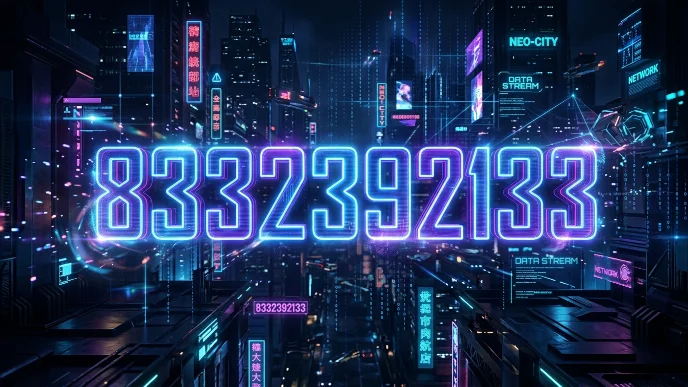
Unknown phone numbers like 8332392133 are frequently searched online by users who receive missed calls, automated messages, or suspicious contact attempts. In today’s digital communication environment, phone spam, robocalls, and caller ID spoofing have become widespread problems. As a result, people are increasingly cautious about answering calls from unfamiliar toll-free numbers and often search them online before responding. The number 8332392133 falls into this category of commonly investigated numbers, where users want clarity about whether the call is safe, legitimate, or potentially linked to spam activity.
Toll-free numbers such as 8332392133 are part of a North American numbering system used by businesses, customer service departments, and automated communication systems. While these numbers are commonly associated with legitimate organizations, they are also frequently used in telemarketing and scam operations because they appear professional and trustworthy. Understanding how toll-free numbers work and how scam callers operate is essential for protecting personal data and avoiding fraud in modern communication systems.
What Is 8332392133?
The number 8332392133 is a ten-digit toll-free number that belongs to the 833 prefix range used in the United States and Canada. Toll-free numbers are designed so that the receiving business pays for the call instead of the caller, making them widely used for customer service, technical support, sales inquiries, and automated notifications. Because they are not tied to a specific geographic location, these numbers can be operated from anywhere through modern cloud telephony systems.
However, the lack of geographic identity also makes toll-free numbers harder to trace directly. This means a number like 8332392133 could belong to a legitimate organization, a marketing service, or an automated calling system. Without verified identification, users often rely on online searches and community reports to determine whether the number is safe or suspicious before interacting with it.
Why People Search 8332392133 Online
Most users search for 8332392133 after receiving unexpected calls, missed calls, or repeated contact attempts. In modern digital life, unknown calls are often treated with suspicion due to the rise of spam calls, phishing attempts, and robocall systems. As a result, users prefer to verify unfamiliar numbers before calling back or sharing any personal information.
Another reason for searching such numbers is curiosity about legitimacy. Many businesses use automated systems for reminders, delivery updates, billing notices, or customer support follow-ups. Because of this overlap between legitimate communication and spam activity, users often feel uncertain and look up numbers like 8332392133 to confirm whether the call is safe or part of a known organization.
Understanding Toll-Free Number Systems
Toll-free numbers are part of a structured communication system designed to improve accessibility between businesses and customers. These numbers originally allowed customers to call companies without paying long-distance charges, which helped increase customer engagement and support accessibility. Today, toll-free numbers are used globally in both traditional call centers and modern cloud-based communication systems.
In the digital era, toll-free numbers are no longer limited to physical offices or fixed locations. They can be routed through virtual phone systems, automated response platforms, and international call networks. This flexibility has made them highly useful for businesses but also more vulnerable to misuse by telemarketers and scam operations that take advantage of their professional appearance.
Is 8332392133 a Spam or Scam Number?
There is no universally confirmed classification for 8332392133 as a scam number, but it is commonly searched due to uncertainty around its origin. Many unknown toll-free numbers are reported by users as spam simply because they are not recognized or are associated with automated calling behavior. In some cases, these numbers are used by legitimate businesses for outbound communication, while in other cases they may be linked to telemarketing or unsolicited calls.
The difficulty in verifying such numbers comes from the way modern call systems operate. Numbers can be reassigned, spoofed, or used temporarily for automated campaigns. This means that even if a number appears harmless in one instance, it may later be used for different purposes. Because of this uncertainty, cybersecurity experts recommend treating all unknown calls cautiously until verified.
How Robocalls and Automated Calls Work
Robocalls are automated telephone calls delivered through computerized dialing systems. These systems can contact thousands of numbers in a short period of time without human intervention. Businesses use them for legitimate purposes such as appointment reminders, service alerts, and customer notifications. However, scammers also use robocall technology to distribute fraudulent messages quickly and efficiently.
When a robocall is placed, the system may either play a recorded message or connect the call to a live operator depending on the setup. Some systems also use predictive dialing, which increases the chance of reaching active phone numbers. If a user answers, the system confirms that the number is active and may continue targeting it in future campaigns.
Caller ID Spoofing and Phone Fraud Risks
Caller ID spoofing is a technique that allows callers to disguise their real phone numbers and display a different number on the recipient’s screen. This is one of the most common methods used in phone scams today because it creates a false sense of trust. A call may appear to come from a toll-free number like 8332392133 even if the actual source is completely different.
Spoofing is especially dangerous because it can impersonate banks, government agencies, delivery companies, or technical support teams. Users may believe they are speaking to a legitimate organization and unknowingly share sensitive information. This is why cybersecurity experts emphasize that caller ID alone is not reliable for verification and should always be cross-checked using official contact methods.
How to Identify Suspicious Phone Calls
Suspicious phone calls often share certain behavioral patterns that can help users recognize potential scams. These include urgent requests for action, threats of account suspension, demands for personal information, or pressure to make immediate payments. Legitimate companies rarely operate using fear-based or time-sensitive tactics over unsolicited calls.
Another common sign of suspicious calls is silence, delays, or automated responses when the call is answered. These patterns are often associated with robocall systems that are testing whether a number is active. If a call from 8332392133 or any unknown number feels unusual, it is safer to avoid engaging directly and instead verify the source independently.
Role of Reverse Phone Lookup Tools
Reverse phone lookup services are widely used to identify unknown numbers like 8332392133. These tools collect user reports, public databases, and spam complaint records to provide insights about phone activity. They help users determine whether a number has been flagged as spam, associated with telemarketing, or reported as legitimate business communication.
While these tools are helpful, they are not always fully accurate because phone numbers can change ownership or usage patterns over time. A number that appears harmless in one database may later be used for spam activity. Therefore, reverse lookup tools should be used as a guide rather than a final confirmation method.
How to Protect Yourself From Unknown Calls
Protecting yourself from unknown or suspicious calls requires a combination of awareness and caution. One of the safest practices is avoiding immediate callbacks to unfamiliar numbers. Instead, allowing the call to go to voicemail provides an opportunity to assess whether the caller leaves a legitimate message.
It is also important to avoid sharing sensitive personal information over the phone unless the caller has been independently verified. Financial details, passwords, verification codes, and identity information should never be disclosed during unsolicited calls. Using call-blocking features, spam filters, and carrier protection services can further reduce exposure to unwanted or fraudulent calls.
Why Spam Calls Like 8332392133 Are Increasing
Spam calls continue to increase globally due to advancements in automated dialing technology and internet-based communication systems. Scammers can now operate large-scale calling networks at minimal cost using virtual phone services and cloud-based infrastructure. This allows them to reach millions of users while remaining difficult to trace.
Another factor contributing to spam call growth is the availability of leaked personal data. Information from online breaches, social media platforms, and marketing databases can be used to target individuals more effectively. This makes users more vulnerable to receiving calls from numbers like 8332392133, even if they have not shared their contact details directly with unknown sources.
Conclusion
The number 8332392133 is a toll-free 833 prefix phone number that may be used for legitimate business communication, customer service, or automated calling systems. However, like many unknown toll-free numbers, it is also frequently searched online due to concerns about spam, robocalls, and potential scam activity.
Because modern phone systems allow caller ID spoofing, automated dialing, and flexible number usage, it is not always possible to identify a caller’s intent based only on the number itself. Users should always verify unknown calls independently and avoid sharing sensitive information unless the caller’s identity is confirmed. In an era where phone scams and robocalls are increasingly common, awareness, caution, and proper verification remain the most effective tools for staying safe from potential fraud.