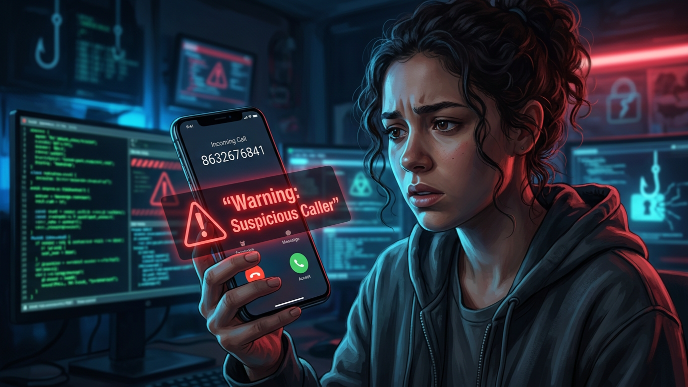
Unknown phone 8632676841 calls have become one of the biggest digital security concerns in modern communication. Every day, millions of people receive suspicious calls from unfamiliar numbers claiming to represent banks, government agencies, telecom providers, delivery companies, or technical support services. One number that has recently generated online curiosity is 8632676841. Many users search this number after receiving unexpected calls, silent calls, repeated missed calls, or suspicious text messages. Because scam activity continues rising globally, people are becoming more careful before answering or calling back unknown numbers.
The growing popularity of 8632676841 reverse phone lookup services shows how serious spam calls and phone scams have become. Users no longer trust random incoming calls without verification. Instead, they search numbers online to check whether other people have reported similar experiences. In the case of 8632676841, public information remains limited, but the number continues appearing in discussions related to spam calls, robocalls, telemarketing, spoofing, and scam prevention. This pattern alone is often enough to raise concerns among cautious users.
Phone scams are no longer limited to simple robocalls. Modern scammers use advanced social engineering techniques designed to create fear, urgency, trust, or curiosity. They frequently impersonate legitimate organizations and attempt to steal sensitive information such as passwords, banking details, verification codes, or identity documents. Understanding how suspicious numbers operate can help people protect themselves from financial fraud, identity theft, and cybercrime. The number 8632676841 represents a broader issue affecting mobile users around the world.
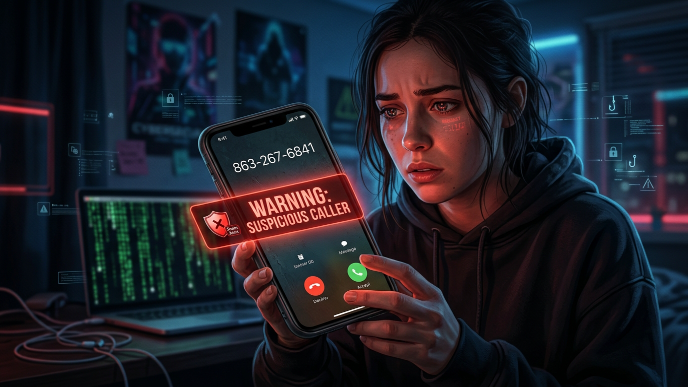
Why People Search for 8632676841 Online
People usually search unknown phone numbers after receiving suspicious or confusing calls. In many situations involving 8632676841, users may experience repeated ringing, immediate disconnection, silent calls, or automated voice recordings. These behaviors are commonly associated with robocall systems and spam campaigns. Modern scam operations often rely on automated dialing software capable of contacting thousands of users within minutes.
Reverse phone lookup websites have become extremely popular because they allow users to investigate unfamiliar callers before responding. Platforms such as spam reporting databases, caller identification apps, and community discussion forums collect reports from users who share their experiences with suspicious numbers. When multiple people flag a number for aggressive calling or scam behavior, it helps warn others before they become victims. Community-driven reporting has become one of the strongest defenses against unwanted calls and fraudulent communication.
Another reason numbers like 8632676841 attract attention is the uncertainty surrounding them. Many suspicious callers provide little or no identification. Some calls disconnect immediately after being answered, while others pressure users into urgent action. This lack of transparency naturally encourages people to search online for more information. Even when a number is not officially confirmed as fraudulent, suspicious behavior often leads users to treat it cautiously.
The Rise of Spam Calls and Robocalls
Spam calls and robocalls have increased dramatically during the past decade. Advances in internet-based calling technology have made it cheaper and easier for scammers to contact large numbers of people worldwide. Criminal groups can now operate sophisticated call campaigns using automated systems, fake caller IDs, and international routing networks. These operations often target thousands of victims simultaneously.
Robocalls typically involve prerecorded messages claiming there is an urgent problem with a bank account, delivery order, government record, or financial transaction. Victims are instructed to press a button, call back, or share sensitive information. Some scams pretend to offer rewards, refunds, or technical support assistance. Others threaten legal action or account suspension unless immediate payment is made. These pressure tactics are designed to prevent victims from thinking carefully before responding.
The number 8632676841 may be part of this broader robocall environment. Even if no confirmed scam report exists publicly, users should remain cautious when dealing with unfamiliar numbers displaying suspicious behavior. Scam operations frequently rotate numbers, meaning a seemingly harmless number today could later become part of aggressive spam campaigns. This is why cybersecurity experts encourage users to verify unknown callers before engaging with them.
How Caller ID Spoofing Creates Confusion
One major reason suspicious numbers are difficult to identify is caller ID spoofing. Spoofing allows scammers to display fake numbers on a recipient’s phone screen instead of their real number. This means that the number shown during a call may not actually belong to the real caller. In many cases, scammers intentionally choose local-looking numbers to increase the chances of someone answering the phone.
Spoofing technology has become one of the most dangerous tools used in phone fraud. Criminals may impersonate banks, customer service centers, law enforcement agencies, or telecom providers. Some scammers even spoof numbers belonging to real people or legitimate businesses. As a result, innocent individuals sometimes receive angry callbacks from strangers accusing them of making spam calls they never placed.
Numbers like 8632676841 may occasionally appear because of spoofing rather than genuine ownership. This creates confusion for users attempting to verify whether a caller is legitimate. Experts recommend focusing more on caller behavior than the number itself. Requests for passwords, urgent payments, verification codes, or remote device access should always be treated as warning signs regardless of the displayed caller ID.
Common Scam Techniques Linked to Unknown Numbers
Modern phone scammers use a wide variety of psychological manipulation techniques. One of the most common involves pretending to represent trusted organizations such as banks, government departments, delivery companies, or technical support services. Victims are told that their account has been compromised, a package is delayed, or suspicious activity has been detected. The goal is to create panic and encourage immediate compliance.
Another widespread scam strategy involves missed calls or silent calls designed to encourage callbacks. Some fraudsters use callback scams where users unknowingly connect to expensive premium-rate numbers. Others use fake customer support systems that attempt to collect personal data or payment information. Scam callers often sound professional and convincing, making these schemes especially dangerous for older adults or less tech-savvy users.
Text message scams connected to suspicious numbers are also becoming more advanced. Researchers studying SMS fraud campaigns found that scammers frequently exploit emotions such as fear, urgency, loneliness, or curiosity. Fake parcel delivery messages, banking alerts, prize notifications, and verification requests are among the most common examples. Victims who click malicious links or respond to messages may expose themselves to financial fraud or identity theft.
Warning Signs That a Call May Be Unsafe
There are several warning signs that can help users identify dangerous calls from numbers such as 8632676841. One of the biggest red flags is urgency. Scammers often insist that immediate action is required to avoid financial loss, legal trouble, or account suspension. Legitimate organizations rarely demand instant payment or confidential information through unsolicited phone calls.
Requests for sensitive information should also raise concern. Fraudsters frequently ask for banking credentials, passwords, one-time verification codes, identification numbers, or payment details. Trusted organizations usually encourage customers to contact official support channels directly rather than sharing confidential data during unexpected calls. Users should never provide private information unless they independently verify the caller’s identity first.
Suspicious behavior may also include robotic voices, aggressive language, threats, repeated calls without voicemail messages, or callers who avoid answering simple questions. Some scammers intentionally create confusion to keep victims emotionally distracted. Ending the conversation immediately and verifying the situation independently is usually the safest response when dealing with uncertain callers.
Reverse Phone Lookup Services and Community Reporting
Reverse phone lookup tools have become essential for investigating suspicious numbers like 8632676841. These platforms allow users to search unknown numbers and review publicly available information, spam reports, or community comments. Websites dedicated to spam prevention collect reports from users worldwide, helping identify patterns linked to scam calls and robocalls.
Caller identification applications use large databases to automatically flag suspicious numbers. If many users report a number as spam, future recipients may receive warnings such as “suspected scam,” “telemarketer,” or “robocall.” These technologies significantly improve public awareness and reduce the effectiveness of phone scams. Community participation plays a major role because accurate reporting helps strengthen spam detection systems.
However, users should understand that no lookup service is perfect. Some legitimate numbers may occasionally be flagged incorrectly, while new scam numbers might not yet appear in public databases. Experts recommend combining reverse phone lookup tools with personal caution and independent verification practices rather than relying entirely on automated systems.
The Psychological Tactics Used by Scammers
Phone scams are successful because they rely heavily on psychology. Criminals understand that fear, urgency, curiosity, and trust can influence decision-making. Many scam calls begin with alarming statements such as unauthorized bank activity, suspicious account access, tax problems, or urgent package issues. Victims become emotionally distracted and may react quickly without carefully analyzing the situation.
Some fraudsters attempt to create emotional relationships with victims over time. Wrong-number scams, fake customer support conversations, and social engineering tactics are increasingly common. Researchers studying scam messages found that many criminals gradually build trust before introducing financial requests or malicious links. These scams can be highly convincing because they appear friendly and natural rather than openly threatening.
Scammers also exploit authority by pretending to represent official organizations. Victims may feel pressured to obey someone claiming to be from a bank, government agency, or police department. Understanding these manipulation techniques is essential for recognizing suspicious behavior and avoiding fraud. Awareness significantly reduces the likelihood of becoming a victim.
What to Do if You Receive a Call From 8632676841
If you receive a call from 8632676841, experts recommend remaining calm and cautious. Avoid sharing sensitive information unless you independently confirm the caller’s identity through official channels. Even if the caller sounds professional or knowledgeable, unsolicited requests for financial details or verification codes should always be treated carefully.
Users who suspect scam activity should avoid calling back immediately. Instead, they can search the number using reverse phone lookup services or community reporting websites. Blocking suspicious numbers on smartphones is another effective way to reduce future unwanted calls. Many mobile devices and telecom providers now include built-in spam filtering and call screening features.
If someone accidentally shared sensitive information during a suspicious call, immediate action is important. Updating passwords, monitoring financial accounts, contacting banks, and reporting incidents to telecom providers or authorities can help reduce the risk of identity theft or financial fraud. Quick response often limits potential damage.
Scam Awareness and Digital Safety in Pakistan
Spam calls and scam messages are also growing concerns in Pakistan and other developing digital markets. Many users report receiving fake telecom offers, lottery scams, banking alerts, and impersonation calls. As smartphone usage continues increasing, cybercriminals are finding new ways to target users through mobile communication platforms.
Online communities in Pakistan frequently discuss suspicious calls and share advice about handling scam messages. Users commonly recommend blocking unknown numbers, reporting spam activity, and avoiding engagement with suspicious callers. Community awareness campaigns have become increasingly important because many scams rely on social engineering rather than technical hacking.
Digital safety experts encourage users to remain skeptical of unsolicited offers, urgent financial requests, or unknown links received through calls or text messages. Education remains one of the strongest defenses against fraud. Understanding how scammers operate helps users recognize warning signs before becoming victims.
Conclusion
The number 8632676841 has attracted online attention because users are becoming increasingly cautious about unknown callers, robocalls, and potential scam activity. Although publicly verified ownership information remains limited, the behaviors associated with suspicious phone numbers highlight the growing importance of digital awareness and communication safety. Reverse phone lookup services, caller identification apps, and community reporting platforms now play a major role in helping users investigate unfamiliar numbers before responding.
Modern scammers use advanced methods such as spoofing, social engineering, robocalls, and SMS phishing to manipulate victims into sharing sensitive information. Numbers like 8632676841 may sometimes represent spoofed caller IDs rather than legitimate callers, making independent verification essential. Users should remain cautious whenever they receive unexpected calls involving urgency, threats, payment requests, or confidential information demands.